
No products in the cart.
Property Management Chart of Accounts

They are in charge of accounting, asset management, and bookkeeping duties, to ensure you’re tax compliant and your books are accurate. Effective account management in QuickBooks requires meticulous organization and consistent monitoring. A well-structured system helps track income, expenses, and profitability for each rental property.
Beginner’s Guide to Property Management Accounting
For example, under Expenses, create separate sub-accounts for each property’s utilities, repairs, and management fees. Learn how to use a tenant ledger – and templates for building one – with our go-to guide! Discover best practices for tracking payments and financial transactions. Stay ahead by having good accounting practices, using helpful technology, and reviewing and improving your processes regularly.
Best Practices for Creating a Chart of Accounts
Regularly reviewing these reports will keep you informed about each property’s financial performance and help you plan for future expenses. Monthly or quarterly reviews of your income statements, balance sheets, and cash flow statements can reveal trends and help you spot areas where you might be overspending or underspending. This separation simplifies tracking and reporting, helping you generate accurate financial statements. One of the unique aspects of property management is managing both property-related expenses and general business expenses.
Step 6: Review and Update
However, navigating the complexities of bookkeeping can be overwhelming for busy property managers. A chart of accounts is a financial statement that shows how much money is being spent on particular types of expenses, including rent and utilities. The chart of accounts is used by the property management company to keep track of all the money it takes in and out each month. Unlike traditional service businesses that primarily track labor and overhead, property managers must navigate revenue streams that vary significantly in timing, amount, and source. Review bank statements, invoices, and payment records from the past 12 months to identify patterns. Document income sources (rent, fees, deposits), expense categories (maintenance, utilities, management fees), and any unique transactions specific to your property types or business model.
Map All Transaction Types
Accrual accounting records revenue and expenses when they occur, rather than when the money moves. As mentioned above, the five types of transactions listed in a chart of accounts include assets, liabilities, equity, income, and expenses. For example, under income you can list rent, pet fees, appliance rentals, or parking fees. This includes bank accounts, accounts receivable (rent payments tenants still owe), the value of each single family home, and security deposits you hold.
How to create a rental property chart of accounts
- Learn how to start your rental off with a bang, including marketing the property, finding tenants, renting, & more.
- A well-maintained COA allows for accurate profitability assessments and helps identify trends that can shape future business strategies.
- With such technology, property managers can improve financial accuracy, increase efficiency, and reduce the risk of errors.
- Document your chart of accounts structure, including account purposes, numbering logic, and usage guidelines.
- Buildium lets you generate and save accounting reports easily, and then send those reports to clients or other members of your team—all within the same platform.
- Your rental property chart of accounts should include balance sheet accounts to track assets and liabilities.
A well-structured chart of accounts (CoA) is crucial for managing your rental properties such as a hotel property management accounting and Airbnb. But how do you translate those categories into actual financial records? They document financial transactions for your rental property, keeping your accounting system organized and accurate.

Steps to Create a Comprehensive Budget:

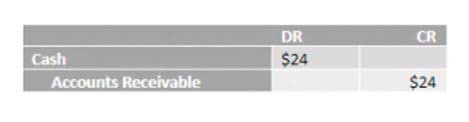
Platforms like DoorLoop are designed specifically for property management, making it easy to handle both accounting and day-to-day operations in one place. Other popular options include Buildium, AppFolio, and Rentec Direct, depending on your portfolio size and budget. Mastering property management accounting is a crucial step toward running a profitable and sustainable business. You should choose reliable accounting software that supports property management functions such as rent collection, expense tracking, and financial reporting. Support this software Accounting Errors by implementing a system for regular bank reconciliations to match your records with bank statements. Accounts Receivable refers to the money owed to a property management company by tenants or clients for rent, services, or other charges.
Want Clearer Insights Into Property Performance?
This ensures that all financial transactions are accurately recorded and easily accessible for reporting and analysis purposes. Based on years of experience as an accountant servicing the real estate community, I have seen many financial statements. A well-run real estate company starts with a clean and well-developed chart of accounts that is consistent. The chart of accounts is the foundation for all good reporting and allows for faster decision-making. It will save you time and money on the backend when you are preparing your CAM reconciliations or taxes.
Setting up these foundational elements will help you manage your property accounting efficiently and give you greater insight into your business’s financial health. If you’re managing multiple properties, you may find the accrual method helpful for staying organized across different units. Many emerging property managers start with spreadsheets or QuickBooks but soon realize that these tools lack features specific to property management. Reconciling is the process of ensuring that your records match the money you’ve actually spent. Maintaining a https://www.bookstime.com/ habit of reconciling your accounts at the end of every month helps you find typos, duplicates, missing entries, and bank errors early. Put simply, this is what your business or the property owner owes to another party.
Equity Accounts
The Balance Sheet is another important report to look at when evaluating the performance of your company. To run Reports, go the top menu bar and find Reports, then Company & Financial. Once again add in the Account Name for your property, select the Subaccount of Notes Payable, and continue with your unique numbering sequence in the right-hand corner. In the Description, you can reference your lender and account number as reference.